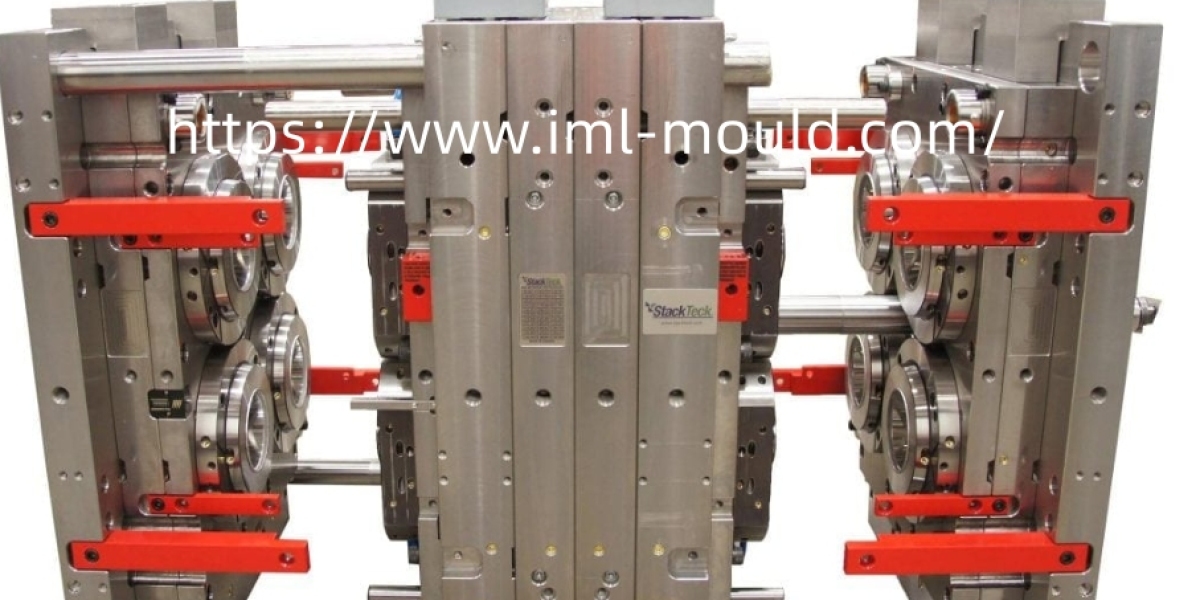

Iml Mould technology has become an important part of modern packaging production, offering a practical way to combine labeling and moulding into a single process. This approach allows manufacturers to integrate product decoration directly during injection moulding, reducing the need for separate labeling steps and supporting a more streamlined workflow.
At its core, this technology involves placing a pre printed label into the mould cavity before the injection process begins. As molten plastic is introduced, the label bonds with the product surface, becoming part of the final structure. This method helps maintain label alignment and reduces the chances of peeling or misplacement that may occur in traditional labeling processes.
One of the noticeable changes it brings to packaging production is improved efficiency. By combining two stages into one, manufacturers can reduce handling time and simplify production lines. This can be particularly useful in industries such as food packaging, household goods, and consumer products, where consistent output and clear product presentation are important. Hengqi supports this process by designing mould systems that align with production requirements and material characteristics.
Another aspect is the impact on product appearance. Since the label is integrated into the surface, the final product often has a smooth finish without additional layers or adhesives. This can support cleaner designs and allow for more detailed graphics. The ability to maintain label position during production also helps ensure that branding elements remain consistent across large quantities.
Durability is also influenced by this method. Because the label becomes part of the product structure, it is less likely to be affected by moisture, friction, or handling during transportation and use. This makes it suitable for packaging that requires stable labeling under different conditions.
Material selection plays a role in how effectively this process works. Both the label and the plastic material must be compatible to ensure proper bonding during injection. Factors such as temperature, pressure, and cooling time need to be carefully controlled. Hengqi works with clients to review these parameters and adapt mould configurations accordingly, helping to support reliable production outcomes.
In addition, this approach offers flexibility in design. Manufacturers can create containers with complex shapes while maintaining consistent label placement. This opens up more possibilities for packaging differentiation without adding extra production steps. It also allows businesses to respond more easily to changing market preferences.
From a production management perspective, integrating labeling into the moulding stage can help reduce storage and handling requirements for separate labels. This contributes to a more organized workflow and can simplify inventory management.
As packaging demands continue to evolve, solutions that combine efficiency with design flexibility are gaining attention. Iml Mould technology reflects this shift by offering a method that connects production processes with visual presentation in a practical way.
For companies exploring packaging development options, understanding how this technology fits into existing workflows can provide useful direction. More information about mould design and manufacturing solutions is available at https://www.iml-mould.com/ , where detailed resources support informed decision making.